Properties Cleared of Construction and Renovation Waste
Debris Removal in Gilbert for properties recovering from renovation work, storm damage, or accumulated outdoor materials
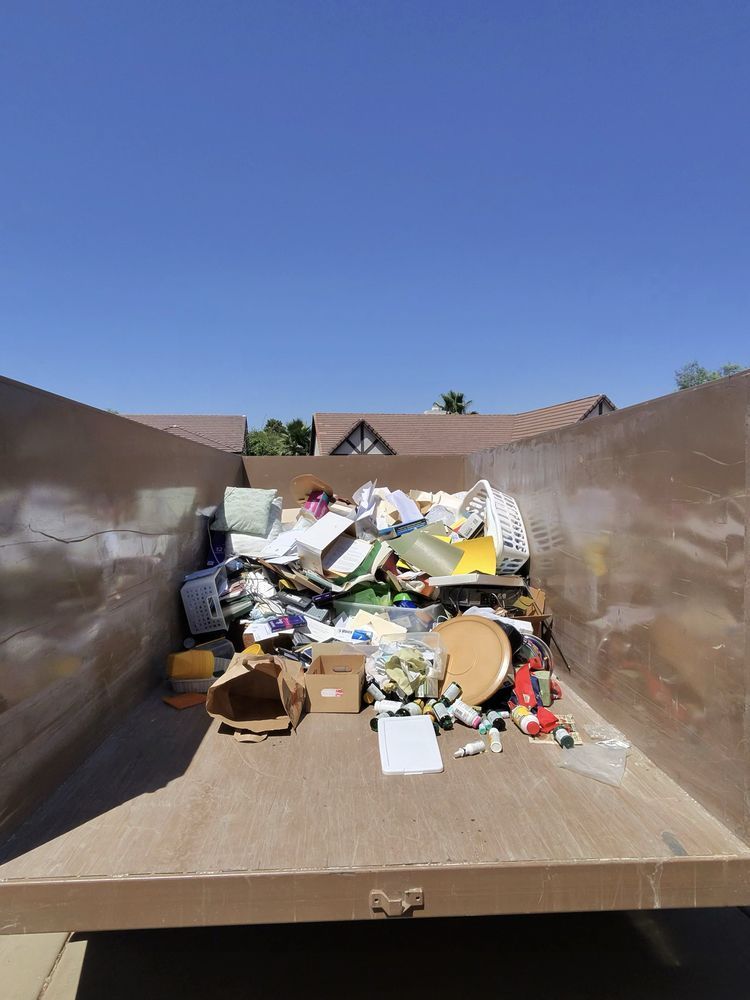
Renovation projects and property maintenance work leave behind piles of broken materials, discarded fixtures, and scattered waste that obstruct driveways, yards, and work areas. Double Eagle Junk Removal handles debris removal across Gilbert and surrounding areas, hauling away non-hazardous construction remnants, yard waste, and unwanted materials that accumulate during remodeling or cleanup work. Contractors, property managers, and homeowners use this service when debris volume exceeds what fits in standard trash containers or when project timelines require immediate site clearing.
This service addresses the removal of broken drywall, discarded lumber, packaging materials, old fixtures, landscaping debris, and general renovation waste that can't be processed through municipal collection. Properties with ongoing construction work or recent storm damage often accumulate materials faster than they can be cleared through normal channels, creating safety hazards and project delays.
Schedule a property assessment to determine hauling requirements based on debris type and volume.
What Proper Debris Removal Requires
Efficient debris hauling separates materials by disposal category, identifies items that can be recycled or donated rather than landfilled, and loads heavy or awkward materials without damaging surrounding structures or landscaping. Crews assess the site to determine the best access route for equipment and organize removal to minimize disruption to ongoing work or daily property use.
After removal, the area where debris was staged returns to usable condition, driveways and walkways become accessible again, and outdoor spaces no longer present tripping hazards or visual clutter. Properties undergoing phased renovation regain functional work areas between project stages, and homeowners preparing for final inspections eliminate the scattered materials that delay approval.
The service includes loading, hauling, and disposal of non-hazardous materials but does not cover hazardous waste like asbestos, lead paint, chemicals, or contaminated soil, which require specialized handling under different regulations. Projects involving mixed material types may require sorting on-site to ensure proper disposal routing for each category.
Questions Before Starting Your Project
Debris removal projects vary based on material type, access constraints, and disposal requirements, so understanding the process helps set realistic expectations for scheduling and site preparation.
What qualifies as non-hazardous debris for this service?
Non-hazardous debris includes construction remnants like drywall, wood, metal, packaging, landscaping waste, old fixtures, and general renovation materials, but excludes asbestos, lead paint, chemicals, medical waste, or contaminated materials that require specialized disposal channels.
How does desert climate affect debris removal in Gilbert?
High temperatures accelerate decomposition of organic materials like wood and drywall, creating dust and odor concerns if debris sits uncollected, and monsoon season can turn piled materials into water-damaged messes that become heavier and more difficult to haul.
When should debris removal be scheduled during renovation projects?
Scheduling removal at the end of each major phase prevents accumulation from blocking work areas, reduces the risk of materials becoming embedded in dirt or overgrown with vegetation, and keeps job sites safer for workers and inspectors who need clear access.
What determines the cost of debris removal?
Volume of material, weight for dense items like concrete or soil, access difficulty such as narrow side yards or elevated locations, and disposal fees that vary by material type all factor into pricing, with mixed loads sometimes requiring sorting that adds labor time.
How is debris removal different from standard junk hauling?
Debris removal focuses specifically on construction and renovation waste, outdoor materials, and non-hazardous project remnants, while standard junk hauling typically addresses household items, furniture, and appliances, requiring different equipment and disposal routing for each category.
Double Eagle Junk Removal provides debris hauling services that address the specific material categories and access challenges renovation and maintenance projects create. Request a project estimate to confirm hauling capacity and disposal requirements for your specific debris type.